Scattered across remote hillsides, deep forests, and forgotten towns, abandoned sanatoriums stand like silent monuments to a haunting chapter in medical history. Once filled with hope, fear, and desperation, these institutions were built to isolate and treat patients with tuberculosis and other chronic illnesses—long before modern medicine found effective cures. Over time, many of these buildings became synonymous with suffering, neglect, and even abuse. Today, their crumbling walls and empty halls echo with stories that reveal the darker side of the human pursuit of healing.
The Rise of the Sanatorium Era
In the late 19th and early 20th centuries, tuberculosis (TB) was one of the deadliest diseases in the world. With no known cure and a highly contagious nature, TB prompted the creation of specialized facilities called sanatoriums. These institutions promised fresh air, rest, and clean environments—based on the belief that isolation and nature could heal the body. Set far from crowded cities, sanatoriums were often grand structures surrounded by forests or mountains, intended to be both medical centers and peaceful retreats.
Daily Life Behind the Walls
While some sanatoriums genuinely aimed to provide compassionate care, daily life for patients was often strict and emotionally draining. Regimens included enforced bed rest, exposure to extreme cold or sunlight, silence, and strict diets. Patients could spend months or even years confined to these institutions. For many, especially the poor or those with advanced illness, sanatoriums became places where they would eventually die. Relationships were limited, personal freedoms were restricted, and hope often gave way to despair.
Experimental Treatments and Medical Missteps
Before antibiotics were discovered, some treatments bordered on brutal. Surgical procedures like pneumothorax (collapsing a lung) or thoracoplasty (removing ribs to allow the lung to rest) were commonly performed in extreme cases. These operations were painful, risky, and had limited success. Some sanatoriums also dabbled in electroshock therapy, forced sterilizations, or isolation as punishment—especially for patients with mental health complications or those who resisted authority. These practices, seen in hindsight, reflect the desperation of the time but also raise serious ethical concerns.
From Healing to Horror
As TB cases declined with the discovery of antibiotics like streptomycin in the 1940s, sanatoriums began to shut down or be repurposed. Some became mental asylums, orphanages, or prisons—often without significant changes to infrastructure or oversight. Overcrowding, underfunding, and mistreatment led to tragic outcomes in many such facilities. Over time, whispers of abuse, unexplained deaths, and cruel conditions turned these once-hopeful institutions into sources of fear and urban legend.
Hauntings and Urban Legends
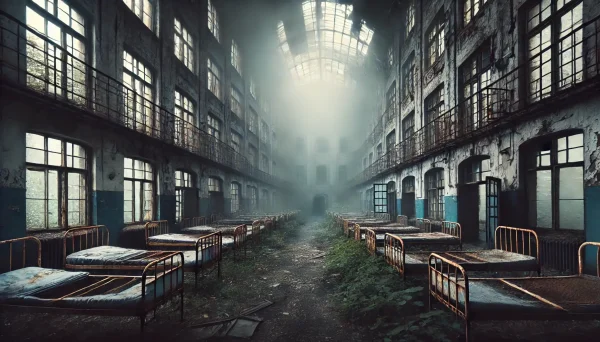
The eerie appearance of abandoned sanatoriums—long corridors, rusted beds, shattered windows—has made them hotspots for urban explorers and paranormal enthusiasts. Many believe these locations are haunted by the spirits of former patients or staff. Stories of ghost sightings, mysterious footsteps, and chilling sounds abound. While some tales may be exaggerated, the real history of pain and loss gives these places an undeniable weight that fuels their reputation as haunted ruins.
Notable Abandoned Sanatoriums
Some of the most infamous abandoned sanatoriums include:
- Waverly Hills Sanatorium (USA): Known for its “body chute” where deceased patients were discreetly removed, Waverly is now a popular destination for ghost hunters.
- Beelitz-Heilstätten (Germany): This massive complex once treated Hitler and later became a Soviet military hospital. Today, it’s partly restored, partly abandoned.
- Poveglia Island (Italy): Though technically a quarantine hospital, its dark reputation and isolation in the Venetian Lagoon make it one of the most feared places in Europe.
Architecture Reflecting the Times
The design of sanatoriums often mirrors the era’s values—order, control, and separation. Long hallways allowed staff to monitor patients easily. Large windows and balconies were meant for “heliotherapy” (sun treatment). But over time, these same features have become symbols of coldness and confinement. The imposing structures, once meant to heal, now feel like relics of isolation and suffering.
Why We’re Still Drawn to Them
Sanatoriums tap into a collective curiosity about life, death, and the limits of medicine. They remind us of a time when illness was met with fear and isolation rather than understanding and compassion. Exploring their remains—whether through photography, documentaries, or cautious visits—can be a way of honoring those who lived and died within their walls, while also confronting the mistakes of the past.
Conclusion: Shadows of a Forgotten Era
Abandoned sanatoriums are not just eerie ruins—they are echoes of a time when medicine struggled to find answers. Within their decaying halls lie the hopes and horrors of a past not so distant. Remembering their stories helps ensure that history’s darker chapters aren’t repeated—and that the pursuit of healing always includes humanity and dignity.